
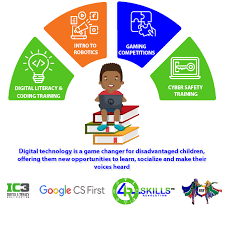
In our fast-paced, technology-driven world, digital literacy has become a fundamental skill for individuals of all ages. For children and teenagers, acquiring digital skills is not only essential for their academic and professional future but also for their everyday lives. In this blog post, we will explore effective ways to teach digital skills to young individuals, focusing on the importance of digital literacy.
Understanding Digital Literacy
Before we dive into the strategies for teaching digital skills, it’s important to understand what digital literacy means. Digital literacy encompasses a range of skills and knowledge related to using technology and digital tools effectively. It involves the ability to find, evaluate, create, and communicate information in a digital world. Teaching digital skills to children and teens helps empower them to navigate the digital landscape safely and confidently.
1. Start Early
The earlier you introduce digital skills to children, the better. Even preschoolers can benefit from basic exposure to technology. Begin with age-appropriate activities like interactive educational apps and games. As children grow, gradually introduce more complex skills and tools, ensuring a gradual progression in their digital literacy journey.
2. Balance Screen Time
While it’s important to teach digital skills, it’s equally crucial to balance screen time. Encourage children and teens to have a healthy relationship with technology. Set clear limits on screen time for entertainment and provide alternatives such as outdoor activities, reading, or creative projects.
3. Parental Involvement
Parents play a significant role in teaching digital skills. Stay involved in your child’s digital journey by monitoring their online activities and engaging in conversations about responsible digital behavior. Offer guidance and support when needed, and keep the lines of communication open.
4. Age-Appropriate Content
Select age-appropriate content and apps for digital skill development. There are many educational apps and websites tailored to different age groups. Choose content that aligns with your child’s current skill level and gradually introduce more advanced materials as they progress.
5. Online Safety
Teach children and teens about online safety. Explain the importance of privacy, responsible social media use, and how to recognize and avoid online risks. Empower them to handle cyberbullying and harassment by creating a safe environment for discussion.
6. Coding and Programming
Coding and programming skills are valuable components of digital literacy. Many online resources and courses are designed for children and teenagers to learn programming in a fun and engaging way. These skills can enhance problem-solving abilities and open up future career opportunities.
7. Digital Creativity
Encourage creativity in the digital realm. This can include creating digital art, music, videos, and other forms of content. Nurturing creativity not only enhances digital skills but also fosters self-expression and innovation.
8. Promote Critical Thinking
Digital literacy goes beyond mere technical skills. It includes the ability to think critically about digital content. Teach children and teens how to evaluate the credibility of online information and to question what they encounter on the internet.
9. Supportive Learning Environments
Schools and community organizations can play a crucial role in enhancing digital literacy. Support initiatives that focus on digital skill development, and ensure that educators are trained to teach these skills effectively.
10. Stay Updated
The digital landscape is constantly evolving, so it’s important to stay updated on the latest digital trends and technologies. This allows you to provide relevant and up-to-date guidance to children and teens.
In conclusion, teaching digital skills to children and teenagers is essential for their future success and safety in an increasingly digital world. By starting early, balancing screen time, involving parents, and emphasizing online safety, you can help young individuals develop the digital literacy they need to thrive. Remember to promote creativity, critical thinking, and ongoing learning to ensure their digital skills remain relevant in the ever-changing digital landscape.