
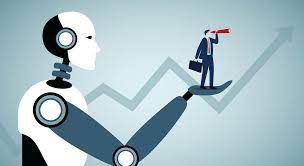
In the ever-evolving landscape of the modern workplace, the integration of Artificial Intelligence (AI) is reshaping how we work, collaborate, and innovate. As technology advances at an unprecedented pace, AI is becoming a powerful force driving efficiency, productivity, and even creativity in the professional sphere. In this blog post, we will explore the profound impact of AI on the future of work and how it is revolutionizing the way we approach tasks, interact with colleagues, and shape the workforce of tomorrow.
- Automation and Efficiency:
One of the most prominent ways AI is transforming the workplace is through automation. Mundane and repetitive tasks that once consumed valuable time are now being delegated to AI systems. This not only frees up human resources for more strategic and creative endeavors but also significantly enhances overall efficiency. From data entry to routine customer service inquiries, AI is streamlining processes and allowing employees to focus on high-value, complex tasks that require critical thinking and emotional intelligence.
- Collaboration and Communication:
AI is also playing a pivotal role in improving collaboration and communication within organizations. Advanced chatbots and virtual assistants are becoming integral parts of team dynamics, providing real-time assistance, scheduling meetings, and facilitating seamless communication. Additionally, AI-powered language translation tools are breaking down language barriers, fostering global collaboration by enabling employees from diverse linguistic backgrounds to work together effectively.
- Data-Driven Decision Making:
In the age of big data, AI is a game-changer for decision-making processes. Machine learning algorithms analyze vast amounts of data to extract meaningful insights, helping businesses make informed choices based on predictive analytics. Whether it’s forecasting market trends, optimizing supply chain management, or identifying potential risks, AI is turning data into a strategic asset, empowering organizations to make decisions that drive success.
- Upskilling and Reskilling:
As AI continues to redefine job roles, there is a growing need for upskilling and reskilling the workforce. Automation may eliminate certain jobs, but it also creates new opportunities for those with the skills to harness AI technologies. Forward-thinking companies are investing in training programs to equip their employees with the expertise needed to work alongside AI systems. This not only ensures job security for existing employees but also fosters a culture of continuous learning and adaptability.
- The Rise of Remote Work:
The COVID-19 pandemic accelerated the adoption of remote work, and AI is playing a crucial role in making this transition seamless. AI-driven collaboration tools, virtual project management platforms, and intelligent time-tracking systems are enhancing the remote work experience. By enabling employees to stay connected, collaborate efficiently, and maintain productivity from anywhere in the world, AI is reshaping traditional notions of the workplace.
- Enhancing Creativity and Innovation:
Contrary to the fear that AI may replace human creativity, it is proving to be a valuable ally in fostering innovation. AI algorithms can analyze vast datasets to identify patterns and trends that humans might overlook. This data-driven approach can inspire creative solutions, enhance product development processes, and even predict customer preferences. As AI becomes a creative partner, the synergy between human intuition and machine intelligence is driving a new era of innovation.
The future of work is undeniably intertwined with the transformative power of AI. Rather than being a threat, AI is a catalyst for positive change, driving efficiency, collaboration, and innovation. As organizations embrace these technological advancements, they must also prioritize the development of a workforce equipped with the skills to thrive in this AI-driven era. By fostering a culture of adaptability, continuous learning, and human-AI collaboration, we can navigate the evolving landscape of work and create a future where the integration of AI enhances the human experience rather than replacing it.