
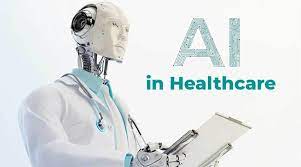
In recent years, Artificial Intelligence (AI) has emerged as a transformative force across various industries, and one sector that has witnessed significant advancements is healthcare. AI is revolutionizing patient care and diagnostics, bringing about unprecedented improvements in efficiency, accuracy, and personalized medicine. This blog post explores the groundbreaking ways in which AI is reshaping the landscape of healthcare, offering new possibilities for both patients and healthcare providers.
- Diagnostic Accuracy and Speed:
One of the most significant contributions of AI in healthcare is its ability to enhance diagnostic accuracy and speed. AI algorithms, particularly in medical imaging, have demonstrated the capacity to analyze vast amounts of data with incredible precision. From detecting early signs of cancer in medical images to identifying abnormalities in X-rays and MRIs, AI is proving to be a valuable tool for healthcare professionals.
The speed at which AI processes and interprets medical data is unparalleled. This acceleration in diagnostics not only saves valuable time but also aids in the early detection of diseases, ultimately improving patient outcomes. AI-driven diagnostic tools are becoming indispensable in areas like radiology, pathology, and cardiology.
- Personalized Medicine:
AI is playing a pivotal role in advancing the concept of personalized medicine, tailoring treatment plans based on individual patient characteristics. By analyzing a patient’s genetic makeup, lifestyle, and other relevant data, AI can predict how an individual is likely to respond to a particular treatment. This level of personalization ensures that patients receive therapies that are not only effective but also minimize potential side effects.
Moreover, AI algorithms can continuously analyze patient data, allowing for real-time adjustments to treatment plans. This dynamic approach to healthcare has the potential to revolutionize chronic disease management and improve overall patient well-being.
- Predictive Analytics for Preventive Care:
AI is proving to be a game-changer in preventive care by leveraging predictive analytics. Machine learning models can analyze historical patient data to identify patterns and predict potential health risks. This enables healthcare providers to intervene early, preventing the progression of diseases and reducing the likelihood of complications.
For instance, AI algorithms can predict the risk of conditions such as diabetes, heart disease, or hypertension based on a patient’s medical history and lifestyle factors. By providing actionable insights, AI empowers both patients and healthcare professionals to adopt proactive measures for maintaining good health.
- Enhanced Workflow Efficiency:
In addition to its impact on diagnostics and treatment, AI is streamlining administrative and operational tasks within healthcare systems. Natural Language Processing (NLP) algorithms are being used for medical transcription, making it easier for healthcare professionals to document patient encounters accurately. Chatbots and virtual assistants powered by AI are improving patient engagement, answering queries, and scheduling appointments.
By automating routine tasks, AI allows healthcare professionals to focus more on direct patient care, reducing administrative burdens and improving overall efficiency in healthcare delivery.
Conclusion:
The integration of AI in healthcare represents a revolutionary shift in how we approach patient care and diagnostics. From improving the accuracy and speed of diagnoses to enabling personalized treatment plans and enhancing preventive care, AI is reshaping the healthcare landscape in unprecedented ways.
While the potential benefits are vast, it’s crucial to address challenges such as data privacy, ethical considerations, and the need for ongoing regulation. As AI continues to evolve, its role in healthcare is likely to expand, fostering a future where technology works hand-in-hand with medical expertise to provide better, more accessible, and personalized healthcare for all.