
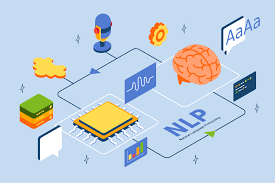
In the realm of artificial intelligence, one of the most fascinating and impactful fields is Natural Language Processing (NLP). NLP is a branch of AI that focuses on the interaction between computers and humans through natural language. The goal is to enable machines to understand, interpret, and generate human-like text, revolutionizing the way we communicate with technology. In this blog post, we’ll explore the significance of NLP, its applications, and the strides made in teaching machines to comprehend human language.
Understanding the Basics of NLP:
Natural Language Processing involves a complex interplay of linguistics, computer science, and machine learning. At its core, NLP seeks to bridge the gap between the rich and nuanced nature of human language and the rigid structure of programming languages. By deciphering the intricacies of language, machines can process, analyze, and respond to text in a manner that mimics human understanding.
Key Components of NLP:
- Tokenization and Parsing: Tokenization involves breaking down a text into individual units, such as words or phrases, to facilitate analysis. Parsing, on the other hand, involves analyzing the grammatical structure of a sentence to understand its meaning. Together, these processes form the foundation for deeper language comprehension.
- Named Entity Recognition (NER): NER is a crucial aspect of NLP that involves identifying and classifying entities within a text, such as names of people, places, organizations, and more. This capability is vital for applications like information extraction and text summarization.
- Sentiment Analysis: Sentiment analysis is the process of determining the emotional tone behind a piece of text. Whether it’s positive, negative, or neutral, machines trained in sentiment analysis can gauge the sentiment expressed in user reviews, social media posts, or customer feedback.
- Machine Translation: NLP plays a pivotal role in machine translation, breaking down language barriers by enabling automated translation between different languages. Services like Google Translate utilize NLP algorithms to provide accurate and contextually relevant translations.
Applications of NLP:
- Virtual Assistants: Virtual assistants like Siri, Alexa, and Google Assistant leverage NLP to understand and respond to user commands. They can interpret natural language queries, making human-computer interactions more intuitive and user-friendly.
- Chatbots: Businesses use chatbots equipped with NLP capabilities to engage with customers, answer queries, and provide support. These chatbots can understand user inputs and generate contextually relevant responses.
- Information Extraction: NLP is instrumental in extracting valuable information from large volumes of unstructured data. This is particularly useful in fields like finance, where algorithms can analyze financial reports, news articles, and social media to make informed investment decisions.
- Healthcare: In the healthcare sector, NLP is employed for tasks like analyzing medical records, extracting patient information, and aiding in clinical decision-making. This not only enhances efficiency but also contributes to improved patient care.
Challenges and Future Directions:
While NLP has made remarkable strides, challenges persist. Ambiguity, cultural nuances, and the dynamic nature of language pose hurdles for accurate interpretation. Additionally, ethical considerations, such as bias in language models, demand ongoing attention.
Looking ahead, the future of NLP holds exciting possibilities. Advancements in deep learning, reinforcement learning, and the integration of multimodal data (combining text with images and audio) are expected to enhance the capabilities of NLP systems. The ongoing pursuit is to make machines not just understand language but also grasp the contextual subtleties that make human communication so intricate.
Conclusion:
Natural Language Processing has emerged as a transformative force in the field of artificial intelligence, allowing machines to comprehend and respond to human language with increasing accuracy. As NLP continues to evolve, its applications will likely permeate various aspects of our daily lives, from communication devices to healthcare and beyond. The power of teaching machines to understand humans opens up new possibilities for innovation, efficiency, and a more seamless integration of technology into our interconnected world.