
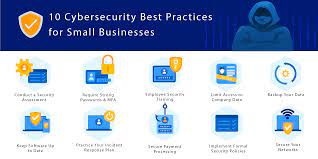
In today’s interconnected world, small businesses are increasingly becoming targets for cyber threats. With limited resources and often less sophisticated security measures in place, they can be particularly vulnerable. However, with the right cybersecurity practices, small businesses can protect themselves from potential cyber-attacks and safeguard their sensitive information. In this blog post, we’ll explore essential cybersecurity best practices tailored for small businesses.
- Employee Training and Awareness:
The first line of defense against cyber threats is a well-informed and vigilant team. Ensure that all employees are educated about the importance of cybersecurity, the various types of threats, and how to recognize and report suspicious activities. Regular training sessions and updates can help keep everyone in the organization on the same page regarding cybersecurity best practices.
- Use Strong Authentication:
Implementing strong authentication measures, such as multi-factor authentication (MFA), adds an extra layer of security beyond just passwords. This makes it significantly harder for unauthorized individuals to access sensitive systems and data, reducing the risk of breaches.
- Regular Software Updates and Patch Management:
Cybercriminals often exploit vulnerabilities in outdated software. Ensure that all software, including operating systems and applications, is regularly updated with the latest security patches. Automated patch management systems can streamline this process, making it easier for small businesses to stay protected.
- Firewall and Antivirus Solutions:
Install and regularly update firewall and antivirus software to protect your network from external threats. These tools act as a barrier, monitoring and filtering incoming and outgoing network traffic based on an organization’s previously established security policies.
- Secure Wi-Fi Networks:
Unsecured Wi-Fi networks are potential gateways for cybercriminals. Secure your Wi-Fi with strong encryption and unique passwords. Limit access to the network to only those who need it, and consider setting up a separate guest network for visitors.
- Data Backups:
Regularly back up critical business data to an offsite location. In the event of a cyber-attack or data loss, having recent backups ensures that your business can quickly recover without major disruptions. Test the backup and restoration processes regularly to ensure they are effective.
- Incident Response Plan:
Prepare for the worst by developing an incident response plan. Define roles and responsibilities, establish communication channels, and outline the steps to be taken in the event of a cybersecurity incident. This proactive approach can significantly reduce the impact of a potential breach.
- Restricted Access Control:
Implement the principle of least privilege (PoLP), ensuring that employees only have access to the data and systems necessary for their specific roles. Regularly review and update access permissions as roles within the organization change.
- Vendor Security:
If your business relies on third-party vendors or partners, ensure that they adhere to robust cybersecurity standards. Verify the security measures they have in place to protect your shared data and systems.
- Regular Security Audits:
Conduct regular security audits to identify vulnerabilities and areas for improvement. This proactive approach allows you to address potential issues before they can be exploited by cybercriminals.
Conclusion:
As small businesses continue to navigate the digital landscape, prioritizing cybersecurity is paramount. By adopting these best practices, small businesses can fortify their defenses, minimize risks, and focus on what they do best – driving success and growth. Remember, investing in cybersecurity is an investment in the future resilience and prosperity of your business.


