
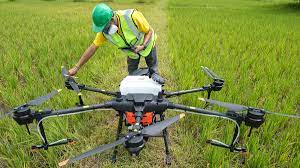
In an era marked by rapid technological advancements, the agriculture sector is experiencing a profound transformation through the integration of Information Technology (IT). Traditionally, farming has been a labor-intensive industry heavily reliant on manual processes and dependent on unpredictable factors such as weather conditions. However, the infusion of IT into agriculture is revolutionizing the way farmers operate, improving efficiency, sustainability, and productivity. In this blog post, we will explore the various ways in which technology is reshaping farming practices.
- Precision Farming:
One of the significant contributions of IT to agriculture is the advent of precision farming. This approach utilizes data-driven insights and technology tools such as GPS, sensors, and drones to optimize various aspects of farming. Farmers can now monitor and manage their fields with precision, taking into account factors like soil quality, moisture levels, and crop health. This enables them to make informed decisions regarding irrigation, fertilization, and pest control, ultimately leading to resource efficiency and higher yields.
- Internet of Things (IoT) in Agriculture:
The Internet of Things has found its way into agriculture, connecting devices and machines to collect and exchange data. IoT applications in agriculture include smart sensors for monitoring crop conditions, livestock trackers, and automated machinery. These interconnected systems provide farmers with real-time information, allowing for proactive decision-making. For example, farmers can receive alerts about potential pest infestations or irregularities in crop growth, enabling timely interventions to prevent crop loss.
- Farm Management Software:
IT solutions are streamlining the administrative aspects of farming through the development of farm management software. These platforms help farmers plan and organize their operations, manage inventory, track expenses, and analyze financial data. The accessibility of such software on mobile devices allows farmers to stay connected to their operations from anywhere, promoting efficient time and resource management.
- Data Analytics and Predictive Modeling:
Data analytics is playing a crucial role in transforming agriculture by providing valuable insights derived from vast amounts of agricultural data. Farmers can analyze historical data to make predictions about crop yields, optimize planting schedules, and identify trends in market demand. Predictive modeling enables farmers to anticipate challenges and make informed decisions to mitigate risks, fostering a more sustainable and resilient agriculture industry.
- Agtech Startups and Innovation:
The rise of agricultural technology (agtech) startups is contributing to the ongoing digital transformation in agriculture. These startups are developing innovative solutions ranging from automated harvesting robots to blockchain-based supply chain management. The collaboration between traditional farming practices and cutting-edge technologies is fostering a culture of innovation that has the potential to address global challenges such as food security and sustainability.
Conclusion:
The integration of Information Technology into agriculture is ushering in a new era of farming practices, marked by efficiency, sustainability, and innovation. As technology continues to advance, farmers are empowered with tools and insights that enhance their ability to produce more with fewer resources. The synergy between traditional farming wisdom and modern IT solutions holds the promise of a more resilient and productive agricultural sector, capable of meeting the challenges of a growing global population and a changing climate. The ongoing transformation is not just a boon for farmers but a vital step toward ensuring food security and sustainability for future generations.