
In the ever-evolving landscape of technology, the realm of networking is no exception. Traditional networking approaches are giving way to more dynamic and flexible solutions, and at the forefront of this revolution is Software-Defined Networking (SDN). SDN is reshaping the way networks are designed, managed, and operated, promising greater efficiency, scalability, and agility. In this blog post, we will delve into the world of SDN, exploring its key concepts, benefits, and the impact it has on the future of networking.
Understanding Software-Defined Networking (SDN):
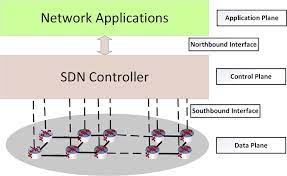
At its core, SDN is a paradigm shift in network architecture that separates the control plane from the data plane. Unlike traditional networking models where the control and data planes are tightly integrated into networking devices like routers and switches, SDN decouples these planes, centralizing control in a software-based controller. This controller communicates with the underlying hardware to direct traffic and make real-time decisions, enabling a more programmable and responsive network.
Key Components of SDN:
- Controller:
- The brain of the SDN, the controller is a software application that manages the flow control to the networking devices.
- It provides a centralized view of the entire network, allowing administrators to configure and manage the network from a single point.
- Southbound APIs:
- These interfaces connect the SDN controller to the networking devices in the data plane, enabling communication and flow control.
- Northbound APIs:
- Interfaces that connect the SDN controller to the applications and business logic, facilitating communication between the network and the applications.
Benefits of SDN:
- Flexibility and Agility:
- SDN allows for dynamic reconfiguration of the network to adapt to changing traffic patterns and business requirements.
- It enables rapid deployment of new services and applications, reducing time-to-market.
- Centralized Management:
- With a centralized controller, network administrators have a holistic view of the network, making it easier to monitor, manage, and troubleshoot.
- Cost Efficiency:
- SDN reduces the dependence on expensive, proprietary hardware by moving intelligence to a software layer, resulting in cost savings and improved resource utilization.
- Scalability:
- SDN simplifies the process of scaling a network by providing a programmable interface for adding or removing resources as needed.
- Automation:
- Automation is a key feature of SDN, streamlining repetitive tasks and reducing the likelihood of human error.
Future Implications:
As the digital landscape continues to evolve, SDN is poised to play a crucial role in shaping the future of networking. The rise of technologies like 5G, IoT, and edge computing further accentuates the need for agile and scalable networks, making SDN a natural fit for addressing these challenges.
In conclusion, Software-Defined Networking represents a significant leap forward in networking capabilities. Its ability to provide flexibility, centralize management, and drive cost efficiencies positions it as a cornerstone for the next generation of networking. As organizations continue to embrace digital transformation, SDN will undoubtedly play a pivotal role in ensuring their networks are not just robust, but also adaptive to the ever-changing demands of the digital era.
