
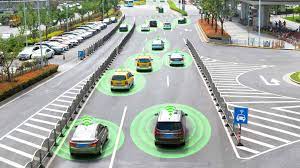
The landscape of transportation is on the brink of a revolutionary transformation, fueled by advancements in technology and an increasing need for sustainable and efficient solutions. As we look ahead, the integration of autonomous vehicles and the development of smart cities are set to redefine the way we move from one point to another. In this blog post, we’ll delve into the exciting possibilities and challenges that lie ahead in the future of transportation.
Autonomous Vehicles: A Shift in the Driver’s Seat
The rise of autonomous vehicles is perhaps one of the most eagerly anticipated developments in the realm of transportation. These vehicles, equipped with cutting-edge sensors, cameras, and artificial intelligence, have the potential to significantly reduce traffic accidents, enhance traffic flow, and optimize fuel efficiency.
- Safety First: Autonomous vehicles are expected to bring a substantial reduction in traffic accidents caused by human error. With advanced sensors and real-time data processing, these vehicles can navigate complex traffic scenarios more effectively and respond to potential hazards with split-second precision.
- Efficiency and Traffic Flow: Autonomous vehicles communicate with each other and with smart city infrastructure, leading to smoother traffic flow and reduced congestion. Intelligent algorithms optimize routes, minimizing travel time and maximizing fuel efficiency.
- Accessibility: The elderly and people with disabilities stand to benefit significantly from autonomous vehicles. These vehicles have the potential to provide newfound independence and mobility to individuals who may face challenges with traditional transportation options.
Smart Cities: Paving the Way for Seamless Integration
To fully realize the potential of autonomous vehicles, smart cities are emerging as crucial partners in this transportation revolution. These cities leverage the power of data, connectivity, and automation to create an ecosystem that enhances the overall urban living experience.
- Infrastructure Connectivity: Smart cities invest in connected infrastructure, such as smart traffic lights and sensors embedded in roads, to communicate seamlessly with autonomous vehicles. This connectivity allows for real-time traffic management, reducing congestion and optimizing the use of roadways.
- Data-Driven Decision Making: The heart of a smart city lies in its ability to collect and analyze vast amounts of data. This data is used to make informed decisions regarding traffic patterns, public transportation routes, and infrastructure development, creating a more responsive and adaptive urban environment.
- Sustainability: With a focus on sustainability, smart cities are at the forefront of incorporating electric and autonomous vehicles into their transportation networks. The integration of renewable energy sources, coupled with efficient public transportation systems, contributes to reducing the environmental impact of urban mobility.
Challenges on the Horizon
While the future of transportation promises innovation and efficiency, several challenges must be addressed for a seamless transition to autonomous vehicles and smart cities.
- Regulatory Frameworks: The lack of standardized regulations poses a significant hurdle. Governments must work collaboratively to establish clear and consistent guidelines for the deployment and operation of autonomous vehicles.
- Cybersecurity Concerns: As vehicles and infrastructure become more connected, the risk of cyberattacks increases. Developing robust cybersecurity measures is imperative to safeguard against potential threats to the integrity of the transportation network.
- Public Acceptance and Trust: Convincing the public to embrace autonomous vehicles requires a significant shift in perception. Building trust through transparent communication about safety measures and benefits is essential.
Conclusion
The future of transportation holds immense promise, driven by the symbiotic relationship between autonomous vehicles and smart cities. As we navigate this transformative journey, collaboration among technology innovators, policymakers, and the public will be key to overcoming challenges and unlocking the full potential of a safer, more efficient, and sustainable transportation landscape. The road ahead is exciting, and the future is now. Buckle up for a ride into a new era of transportation!