
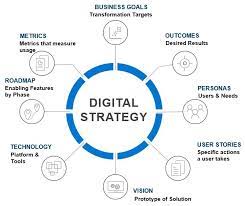
In an era dominated by technological advancements, businesses are continually adapting to stay competitive and relevant. One of the key trends reshaping the corporate landscape is digital transformation. This paradigm shift goes beyond simply incorporating digital tools; it involves a holistic reimagining of business processes, organizational culture, and customer experiences. In this blog post, we’ll explore the significance of digital transformation in the workplace, along with the essential tools and strategies that drive this evolution.
Understanding Digital Transformation:
Digital transformation is not just a buzzword; it represents a fundamental shift in how businesses operate and deliver value. At its core, it involves leveraging technology to streamline processes, enhance efficiency, and create innovative solutions. The goal is to foster agility, responsiveness, and adaptability in an ever-changing business environment.
Key Components of Digital Transformation:
- Cloud Computing: Cloud technology is the backbone of many digital transformations. It enables businesses to store, access, and manage data securely from anywhere, fostering collaboration and flexibility. Cloud-based services also facilitate scalability, ensuring that businesses can easily adapt to changing workloads.
- Data Analytics: Data is often referred to as the new oil, and for good reason. Digital transformation involves harnessing the power of data analytics to gain insights into customer behavior, market trends, and internal processes. Analyzing data empowers organizations to make informed decisions and drive continuous improvement.
- Collaboration Tools: With remote work becoming more prevalent, collaboration tools are crucial for fostering communication and teamwork. Platforms like Slack, Microsoft Teams, and Zoom enable seamless interaction, regardless of physical location, fostering a collaborative and connected workforce.
- Automation: Automation is a key driver of efficiency in the digital age. By automating routine tasks and workflows, businesses can allocate resources more effectively, reduce errors, and free up employees to focus on higher-value tasks. Robotic Process Automation (RPA) and artificial intelligence are integral components of automation in the workplace.
- Cybersecurity Measures: As businesses embrace digital technologies, the importance of robust cybersecurity measures cannot be overstated. Protecting sensitive data and ensuring the integrity of digital systems is paramount. Investing in cybersecurity tools and educating employees on best practices is essential for a successful digital transformation.
Strategies for Successful Digital Transformation:
- Leadership Commitment: Successful digital transformation begins at the top. Leaders must be committed to embracing change, fostering a culture of innovation, and investing in the necessary resources. Leadership sets the tone for the entire organization.
- Employee Involvement and Training: Employees are at the heart of any transformation. Providing comprehensive training and involving employees in the process helps to mitigate resistance to change. Ensuring that the workforce is digitally literate and capable of leveraging new technologies is crucial.
- Agile Implementation: The digital landscape is dynamic, and agility is key to staying ahead. Adopting agile methodologies allows organizations to respond quickly to changing market conditions and customer demands. Incremental improvements and continuous feedback loops are integral to agile implementation.
- Customer-Centric Approach: Digital transformation should be driven by a customer-centric mindset. Understanding customer needs and expectations is essential for developing digital solutions that enhance the overall customer experience. Regular feedback loops and data analysis help refine and optimize these solutions over time.
Conclusion:
Digital transformation is not a one-time event but a continuous journey. Embracing the digital future requires a strategic approach, a commitment to change, and the right mix of technologies. By integrating cloud computing, data analytics, collaboration tools, automation, and cybersecurity measures, businesses can position themselves to thrive in an ever-evolving digital landscape. As organizations navigate this transformation, prioritizing leadership commitment, employee involvement, agility, and a customer-centric approach will pave the way for sustained success in the digital era.
