
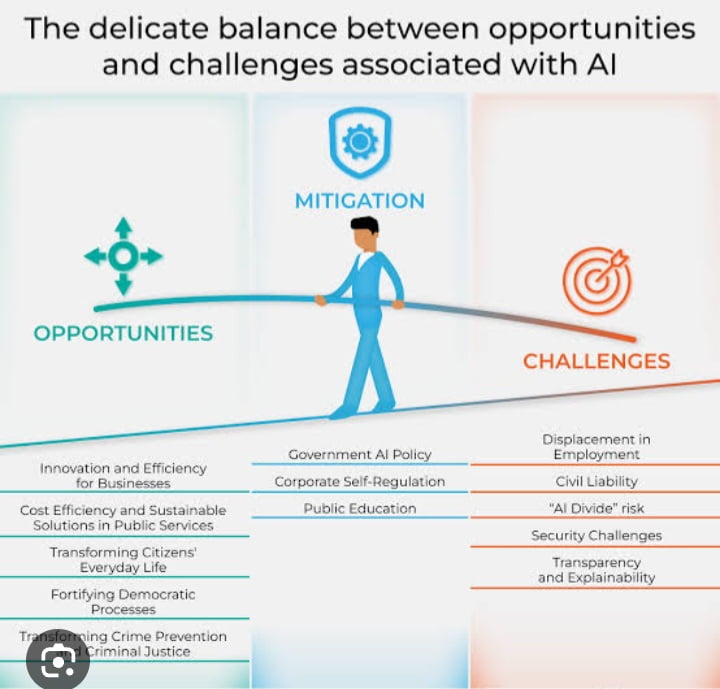
In the unfolding saga of artificial intelligence (AI) and machine learning (ML), the march toward innovation is accompanied by a trail of ethical considerations that demand careful scrutiny. As the digital landscape evolves, the ethical dilemmas surrounding AI and ML echo through the corridors of technological advancement, challenging our notions of fairness, privacy, and the responsible use of AI. This exploration delves into the profound ethical questions shaping the AI narrative, while also peering into the future of work, where remote collaboration and digital transformation redefine the contours of the modern workplace.
The Ethical Labyrinth of AI and Machine Learning
1. Bias in the Algorithmic Fabric:
As algorithms become architects of decision-making, the specter of bias looms large. AI systems, often trained on historical data reflecting societal biases, have the potential to perpetuate and even exacerbate existing inequalities. From hiring processes to criminal justice systems, the bias encoded in algorithms raises ethical questions about fairness and justice.
Addressing the Dilemma:
Scrutinizing and auditing algorithms for biases.
Implementing diverse and representative training datasets.
Establishing ethical AI guidelines that prioritize fairness.
2. Privacy Erosion in the Data Age:
The voracious appetite for data fuels the AI revolution but also triggers privacy concerns. As AI systems process vast amounts of personal information, questions arise about the boundaries of surveillance, the security of sensitive data, and the potential misuse of personal insights.
Addressing the Dilemma:
Implementing robust data encryption and protection measures.
Enforcing transparent data collection and usage policies.
Advocating for stringent data protection regulations.
Responsible AI Practices: The Moral Imperative:
The very essence of AI’s ethical journey lies in responsible practices. This encompasses the accountability of developers, organizations, and policymakers in ensuring that AI is wielded ethically, with a profound understanding of its societal impact.
Addressing the Dilemma:
Establishing clear guidelines for ethical AI development and deployment.
Encouraging interdisciplinary collaboration between technologists, ethicists, and policymakers.
Fostering a culture of responsible AI within organizations through education and awareness.
The Future of Work: Remote Collaboration and Digital Transformation
In the kaleidoscope of the modern workplace, the future of work unfolds against the backdrop of remote collaboration and digital transformation. The confluence of technological innovation and a global shift toward remote work introduces its own set of ethical considerations.
1. Ethical Dimensions of Remote Collaboration:
The remote work paradigm brings to the fore questions surrounding employee monitoring, digital surveillance, and the right to disconnect. Striking a balance between ensuring productivity and
respecting individual privacy becomes a nuanced ethical challenge.
Addressing the Dilemma:
Defining clear remote work policies that uphold privacy rights.
Implementing transparent and ethical employee monitoring practices.
Encouraging open communication about expectations and boundaries.
2. Inclusivity in the Digital Workspace:
Digital transformation can either reinforce or dismantle existing barriers to inclusivity. Ensuring that digital tools are accessible to all employees, regardless of their background or abilities, becomes an ethical imperative to prevent technological disparities.
Addressing the Dilemma:
Prioritizing inclusive design in digital tools and platforms.
Offering training and support to bridge digital skill gaps.
Promoting diverse perspectives in the development of digital solutions.
3. Technological Unemployment and Skill Displacement:
The relentless march of automation and AI raises concerns about job displacement and the need for reskilling. Ethical considerations come to the fore as organizations navigate the responsibility of preparing their workforce for the evolving job market.
Addressing the Dilemma: Investing in comprehensive reskilling programs for employees.
Facilitating collaboration between industries and educational institutions.
Encouraging a proactive approach to workforce planning and adaptation.
Conclusion: Charting a Course for Ethical Innovation
As the twin forces of AI and remote collaboration reshape the contours of our digital existence, the ethical considerations embedded in these transformative technologies demand our unwavering attention. Striking a delicate balance between innovation and ethical responsibility is not just a challenge; it is an imperative for creating a future where technology serves humanity rather than
exploits its vulnerabilities. The ethical odyssey of AI and the future of work beckon us to navigate these dilemmas with wisdom, empathy, and a commitment to building a digital landscape that empowers, includes, and uplifts us all.