
CYBERSECURITY ESSENTIAL FOR SMALL BUSINESSES.

Small businesses and startups are especially vulnerable to cyber attacks due to their limited resources and lack of expertise in cybersecurity. Cyberattacks can cause significant financial losses, damage the reputation of the business, and lead to legal liability. We will explore the importance of cybersecurity for small businesses and startups and provide strategies for small business owners to protect their businesses.
● Understanding Cybersecurity for Small Businesses and Startups
Cybersecurity is critical for small businesses and startups, as they are often more vulnerable to cyber-attacks due to limited resources, lack of expertise, and reliance on technology. Here are some key points to understand about cybersecurity for small businesses and startups:
1. Cybersecurity is a continuous process: Cybersecurity is not a one-time event. It is an ongoing process that involves implementing and maintaining security measures to protect against new and evolving threats.
2. Identify and prioritize your assets: Identify your business assets, such as customer data, financial records, and intellectual property, and prioritize them based on their value to your business.
3. Develop a cybersecurity plan: Create a cybersecurity plan that addresses potential risks and outlines steps to protect your assets. The plan should include policies and procedures for password management, data backup, and incident response.
4. Train employees: Educate your employees on cybersecurity best practices, including how to recognize and avoid phishing scams, how to create strong passwords, and how to report suspicious activity.
5. Implement security measures: Implement security measures such as firewalls, antivirus software, and intrusion detection systems to protect against cyber threats.
6. Use secure technology: Use secure technology, such as encryption and two-factor authentication, to protect sensitive data and limit access to authorized users.
7. Monitor and update: Monitor your systems for suspicious activity and regularly update software and security measures to stay ahead of evolving threats.
8. Consider cybersecurity insurance: Consider cybersecurity insurance to protect against financial losses in the event of a cyber-attack.
● Cybersecurity is important for small businesses and startups for several reasons
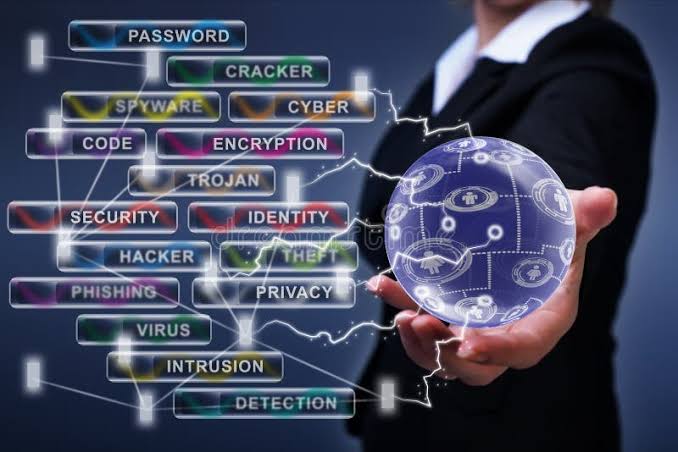
1. Protection of sensitive data: Small businesses and startups collect and store sensitive data such as financial information, customer data, and intellectual property. Cybersecurity measures can help protect this information from theft or unauthorized access.
2. Legal and regulatory compliance: Small businesses and startups may be subject to legal and regulatory requirements such as the General Data Protection Regulation (#GDPR) or the Health Insurance Portability and Accountability Act (#HIPAA). Failure to comply with these regulations can result in significant legal and financial penalties.
3. Reputation and brand protection: A cyber-attack can damage the reputation and brand of a small business or startup, leading to loss of customers and revenue. Implementing cybersecurity measures can help prevent such incidents and protect the brand image.
4. Financial losses: A cyber-attack can result in financial losses due to theft, ransom, or system downtime. Small businesses and startups may not have the financial resources to recover from such losses, making cybersecurity measures essential.
5. Competitiveness: Implementing strong cybersecurity measures can help small businesses and startups stay competitive by ensuring the protection of valuable assets and maintaining customer trust.
● Developing a cybersecurity plan is essential for small businesses and startups to protect their assets and data. Here are the steps to develop a cybersecurity plan:
1. Identify assets: Identify the assets that need protection, such as sensitive data, hardware, software, and network resources.
2. Identify threats: Identify potential cybersecurity threats and vulnerabilities to the assets, including external and internal threats.
3. Assess risks: Evaluate the likelihood and potential impact of each threat and vulnerability to determine the level of risk.
4. Develop mitigation strategies: Develop strategies to mitigate identified risks, including implementing cybersecurity software, setting up firewalls, and restricting access to sensitive data.
5. Develop an incident response plan: Develop an incident response plan to quickly and effectively respond to cybersecurity incidents, including procedures for reporting, containment, and recovery.
6. Implement cybersecurity controls: Implement cybersecurity controls based on the mitigation strategies and incident response plan.
In conclusion :
Cybersecurity is critical for small businesses and Startups and should be approached as an ongoing process that involves identifying and prioritizing assets, creating a cybersecurity plan, training employees, implementing security measures, and monitoring and updating systems to stay ahead of evolving threats.
