

Blockchain technology burst into the spotlight with the introduction of cryptocurrencies like Bitcoin and Ethereum. However, the potential of blockchain extends far beyond the realm of digital currencies. In this blog post, we’ll explore the various applications of blockchain technology that go beyond cryptocurrency, shedding light on its transformative impact on diverse industries.
Understanding Blockchain
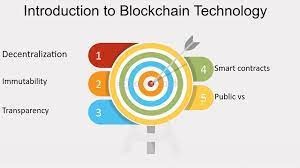
At its core, a blockchain is a decentralized, distributed ledger that records transactions across a network of computers. The information is stored in blocks, and each block is linked to the previous one, creating a chain of blocks—hence the name “blockchain.” This technology offers transparency, security, and immutability, making it an ideal solution for a wide range of applications.
- Supply Chain Management
One of the most promising applications of blockchain lies in revolutionizing supply chain management. Traditional supply chains are often plagued with inefficiencies, lack of transparency, and susceptibility to fraud. By implementing blockchain, companies can create a tamper-proof record of every transaction and movement of goods, from manufacturing to delivery. This ensures transparency, reduces fraud, and enhances traceability, allowing consumers to make more informed choices about the products they purchase.
- Smart Contracts
Smart contracts are self-executing contracts with the terms of the agreement directly written into code. These contracts automatically execute and enforce themselves when predefined conditions are met. Blockchain’s secure and decentralized nature makes it an ideal platform for implementing smart contracts, eliminating the need for intermediaries and reducing the risk of fraud. Smart contracts find applications in various fields, from real estate and legal processes to insurance and automated business agreements.
- Healthcare Records
The healthcare industry is notorious for its fragmented and often insecure handling of patient data. Blockchain can address these challenges by providing a secure and transparent system for storing and sharing healthcare records. Patients can have greater control over their data, while healthcare providers can access accurate and up-to-date information, leading to more efficient and personalized healthcare services.
- Voting Systems
Blockchain technology has the potential to revolutionize the way we conduct elections. By providing a secure and transparent platform for voting, blockchain can eliminate concerns about election fraud and ensure the integrity of the democratic process. Each vote is recorded on the blockchain, making it immutable and verifiable by anyone, thus fostering trust in the electoral system.
- Cross-Border Payments
Traditional cross-border payment systems are often slow, expensive, and prone to errors. Blockchain-based solutions can streamline these processes, enabling faster and more cost-effective international transactions. Cryptocurrencies like Ripple (XRP) are already being utilized for this purpose, offering real-time settlement and reduced fees compared to traditional banking systems.
Conclusion
As we demystify blockchain and look beyond its association with cryptocurrency, it becomes evident that this technology holds tremendous potential to reshape industries and processes across the globe. From enhancing transparency in supply chains to revolutionizing healthcare data management, the applications of blockchain are diverse and transformative. As the technology continues to evolve, we can expect to see even more innovative use cases emerge, further solidifying blockchain’s position as a cornerstone of the fourth industrial revolution.