

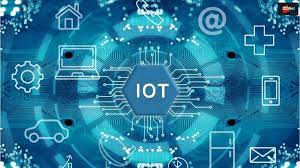
In the age of digital transformation, the Internet of Things (IoT) has emerged as a revolutionary force, connecting devices and transforming the way we live and work. The IoT is a network of interconnected devices, ranging from everyday household items to industrial machinery, all communicating and exchanging data to enhance efficiency, convenience, and overall quality of life. In this blog post, we will delve into the world of IoT, exploring its significance, applications, and the transformative impact it has on our increasingly interconnected world.
Understanding the Internet of Things
The Internet of Things is the interconnection of everyday objects to the internet, enabling them to send and receive data. This interconnected web allows devices to communicate with each other, collect and analyze data, and make informed decisions without direct human intervention. From smart thermostats and wearable fitness trackers to industrial sensors and autonomous vehicles, the IoT spans across various sectors, shaping the way we interact with our surroundings.
Key Components of IoT
- Devices and Sensors: At the heart of IoT are the devices and sensors that collect data from the physical world. These can include anything from temperature and motion sensors to cameras and GPS trackers.
- Connectivity: The devices need a means to communicate, and connectivity plays a crucial role. This can be achieved through Wi-Fi, Bluetooth, cellular networks, or other communication protocols.
- Data Processing: The massive amounts of data generated by IoT devices require robust processing capabilities. Cloud computing and edge computing play a pivotal role in handling and analyzing this data.
- User Interface: The insights derived from IoT data are made meaningful through user interfaces, such as mobile apps or web portals, allowing users to monitor and control connected devices.
Applications of IoT
- Smart Homes: IoT has revolutionized home automation, allowing residents to control lighting, thermostats, security systems, and more through their smartphones. Smart appliances and devices contribute to energy efficiency and improved convenience.
- Healthcare: Wearable devices and health-monitoring sensors enable individuals to track their vital signs, exercise routines, and overall well-being. This real-time data can be shared with healthcare providers for more personalized care.
- Smart Cities: IoT is instrumental in building smarter and more efficient cities. Intelligent traffic management systems, waste management, and energy grids contribute to sustainability and improved urban living.
- Industrial IoT (IIoT): In the industrial sector, IoT is used for predictive maintenance, real-time monitoring of equipment, and optimizing manufacturing processes. This leads to increased efficiency and reduced downtime.
Challenges and Considerations
While the IoT brings about tremendous benefits, it also presents challenges that need to be addressed. Security and privacy concerns are paramount, as the vast amounts of data exchanged between devices can be vulnerable to cyber threats. Standardization and interoperability issues also need attention to ensure seamless communication between different devices and platforms.
The Future of IoT
As technology continues to advance, the Internet of Things is poised for exponential growth. 5G connectivity will enhance the speed and reliability of IoT devices, opening up new possibilities for applications such as augmented reality and autonomous vehicles. Edge computing will become more prevalent, allowing data processing to occur closer to the source, reducing latency and improving real-time decision-making.
In Conclusion
The Internet of Things is undeniably shaping a smarter and more connected world. From optimizing daily tasks in our homes to revolutionizing industries, the impact of IoT is far-reaching. As we navigate the ever-evolving landscape of technology, it is essential to address the challenges and ethical considerations that accompany this transformative force. The Internet of Things is not just about connecting devices; it’s about creating a future where our environments are intelligent, responsive, and designed to enhance the human experience.