

In the ever-evolving landscape of technology, Open Source Software (OSS) has emerged as a pivotal force driving innovation and collaboration. Unlike proprietary software, which is developed and owned by a single entity, open source projects invite participation from a global community of developers. This collaborative approach has led to the creation of some of the most widely used and influential software in the world. In this blog post, we’ll delve into the world of open source software, exploring its benefits and addressing the challenges that come with this unique development model.
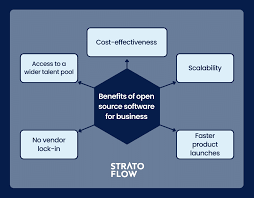
The Benefits of Open Source Software
1. Cost-Effectiveness:
One of the most significant advantages of open source software is its cost-effectiveness. Businesses can leverage powerful tools without incurring hefty licensing fees. This fosters a level playing field, enabling both large enterprises and small startups to access cutting-edge technologies without breaking the bank.
2. Flexibility and Customization:
Open source software provides unparalleled flexibility. Users can modify the source code to suit their specific needs, tailoring the software to fit the unique requirements of their projects. This adaptability empowers organizations to create bespoke solutions and respond swiftly to changing demands.
3. Community Collaboration:
Perhaps the defining feature of open source software is the vibrant and diverse community of developers that contribute to its development. This collaborative ecosystem fosters innovation, accelerates problem-solving, and ensures a continuous cycle of improvement. Through shared knowledge and expertise, the collective efforts of the community result in robust, reliable, and secure software.
4. Transparency and Security:
Open source projects are transparent by nature, allowing anyone to inspect the source code for vulnerabilities or flaws. This transparency contributes to enhanced security, as the community collectively works to identify and rectify issues promptly. The “many eyes” approach to security ensures a more robust defense against potential threats.
5. Global Accessibility:
Open source software is not confined by geographical or organizational boundaries. Its accessibility allows developers worldwide to contribute, making it a truly global endeavor. This inclusivity contributes to a rich and diverse range of perspectives, ultimately resulting in more robust and refined software.
The Challenges of Open Source Software
1. Fragmentation and Compatibility:
The decentralized nature of open source development can lead to fragmentation. With different versions and distributions available, ensuring compatibility across various platforms can be a challenge. This diversity, while fostering innovation, can pose difficulties for users seeking standardized solutions.
2. Documentation and Support:
Open source projects may not always provide comprehensive documentation and support. Users often rely on community forums and documentation, which may vary in quality and completeness. This lack of centralized support can be a hurdle, especially for organizations with specific requirements and tight deadlines.
3. Intellectual Property Concerns:
Balancing the desire for open collaboration with the protection of intellectual property rights can be a delicate task. Contributors and organizations must carefully navigate licensing agreements and ensure compliance with legal requirements to prevent potential conflicts.
4. Learning Curve:
Embracing open source tools may involve a learning curve for users accustomed to proprietary software. The abundance of options and the need to understand the intricacies of individual projects can be intimidating for newcomers, potentially slowing down the adoption process.
5. Governance and Decision-Making:
Open source projects rely on consensus-driven decision-making processes. While this fosters inclusivity, it can also lead to slower decision-making and conflicts within the community. Establishing effective governance structures is crucial for maintaining project momentum and ensuring a clear direction.
Conclusion
Open source software stands as a testament to the power of collaboration and shared knowledge in the digital age. Its benefits, from cost-effectiveness to community-driven innovation, make it an attractive option for businesses and developers alike. However, navigating the challenges, such as fragmentation and documentation issues, requires careful consideration and proactive management.
As we continue to witness the growing influence of open source software, it’s essential to recognize both its strengths and weaknesses. By understanding the dynamics of this collaborative model, we can harness its potential to drive technological advancements while mitigating the associated challenges. Open source software represents a dynamic and ever-evolving paradigm, shaping the future of technology with its inclusive and collaborative spirit.